Article: Indoor Plant Care 101: Keep Your Houseplants Thriving
Indoor Plant Care 101: Keep Your Houseplants Thriving
Introduction
Indoor plants transform living spaces into vibrant, healthier environments while providing quiet satisfaction and connection to growing things. Whether you’re a longtime plant parent or someone who’s killed every succulent you’ve brought home, indoor plant success is absolutely achievable. The key is understanding how houseplants differ from outdoor counterparts and what conditions they need to thrive indoors.
This comprehensive guide covers everything from selecting the right planter to diagnosing common plant problems, empowering you to keep your indoor plants thriving season after season.
Choosing the Right Indoor Planter
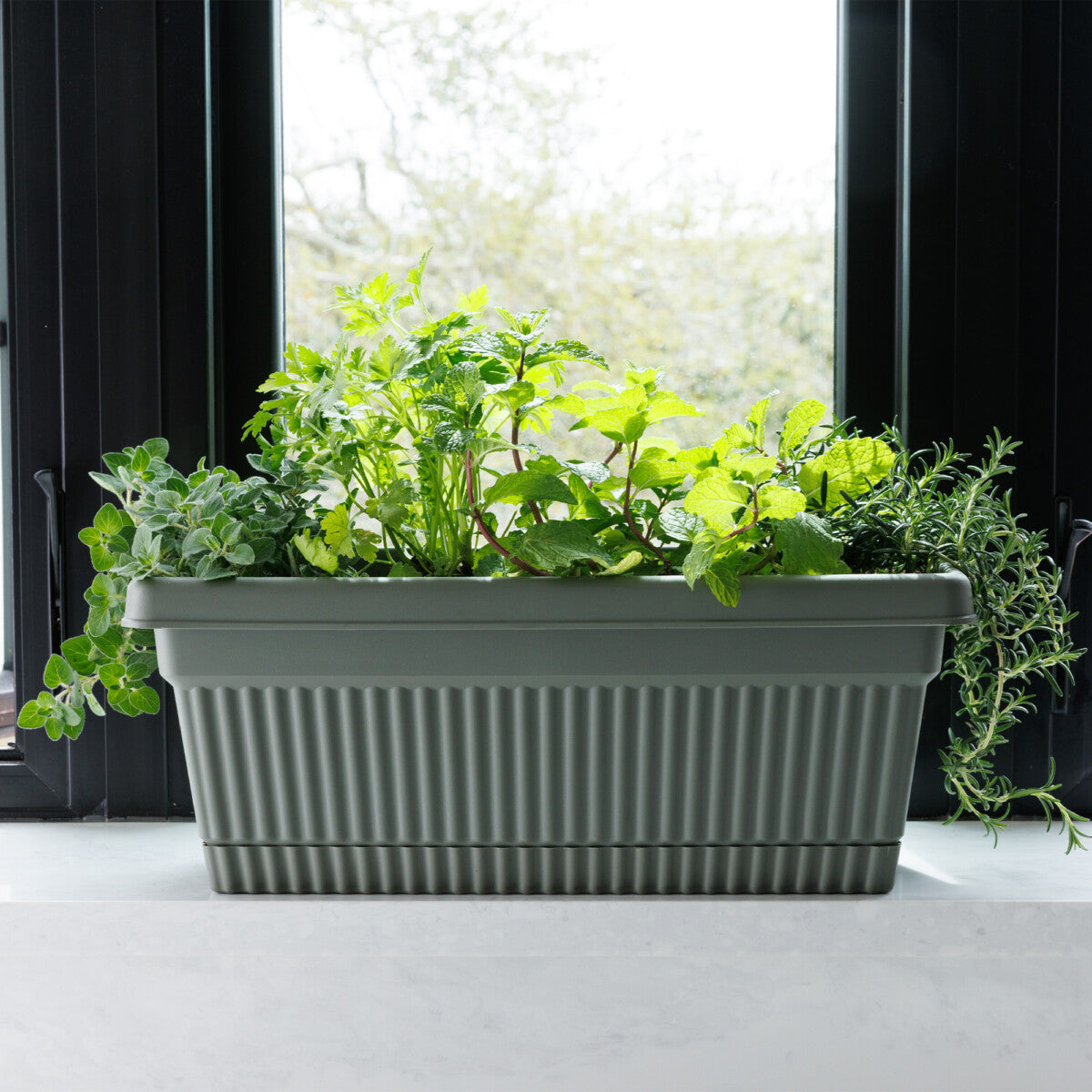
Selecting appropriate containers is foundational to indoor plant success. Indoor planters serve both functional and aesthetic purposes, so finding options that satisfy both requirements ensures you’ll actually use them.
Functional Considerations
Drainage is essential: Every indoor planter must have drainage holes. Without drainage, water accumulates, creating waterlogged soil conditions that suffocate roots and promote fungal disease and root rot. This is the single most common cause of indoor plant death, so prioritize drainage above aesthetic preferences.
If you love a planter without drainage holes, simply nest it around a drainage-equipped nursery pot. This approach separates the decorative and functional roles while protecting your plant.
Material selection affects moisture retention: Ceramic and terracotta are porous and allow soil to dry faster, making them suitable for drought-tolerant plants like succulents and snake plants. Plastic and glazed ceramic retain moisture longer, benefiting moisture-loving plants like pothos and ferns.
Resin planters offer sophisticated aesthetics while providing good moisture balance. Indoor resin planters weigh less than ceramic, simplifying placement adjustments and reducing stress on furniture surfaces.
Size appropriately: Indoor planters should allow 1-2 inches of space between the plant and pot edges. Oversized planters retain excessive moisture; undersized pots restrict root development and require constant watering. A plant can remain in the same size container indefinitely if you repot every spring with fresh soil.
Aesthetic Considerations
Your indoor planters should align with your décor. A beautiful planter you actually enjoy using encourages consistent care and becomes part of your living space design. Modern, minimalist interiors suit simple geometric planters, while eclectic spaces embrace varied styles and colors. Coordinating planter finishes throughout a room creates visual coherence.
Saucers and water management: Use saucers or trays beneath planters to protect furniture from water damage. Empty saucers after watering to prevent water from sitting beneath pots, which promotes fungal growth and unhealthy conditions.
Light Requirements Basics
Understanding light is crucial for indoor plant success. Most houseplants’ challenges stem from inadequate light, as indoor lighting rarely matches outdoor intensity.
Light Levels
Bright, indirect light is ideal for most houseplants. This means light from windows without direct sun exposure. South and west-facing windows provide the brightest indirect light; north-facing windows offer the lowest light.
Direct sun through south and west windows suits succulents, cacti, and some flowering plants. Most tropical houseplants, however, prefer protection from intense afternoon sun, which can scorch foliage.
Low light tolerance matters for north-facing rooms, bathrooms, and interior spaces. Pothos, philodendrons, snake plants, and ZZ plants thrive in low light. Even low-light tolerant plants benefit from the brightest available location within low-light spaces.
Seasonal Variations
Indoor light changes dramatically between seasons. A west-facing window providing intense summer sun is moderate in fall and winter. Position plants accordingly—move heat-sensitive plants away from intense summer sun, and move light-hungry plants to the brightest locations during winter dormancy.
Signs of Light Problems
Leggy growth with sparse leaves indicates insufficient light. Plants stretch toward light sources, creating elongated, weak stems. Increase light or move plants closer to windows.
Faded, pale foliage suggests light deficiency. As plants weaken from inadequate light, new growth loses color intensity.
Stunted growth without other obvious stress indicates light limitations. Many plants need adequate light to grow; dim conditions stall development.
Leaf burn or bleached foliage suggests excessive direct sun. Protect sensitive plants from intense afternoon rays.
Watering Dos and Don’ts
Watering is both essential and dangerous for houseplants. Too much kills more indoor plants than any other factor.
The Core Principle
Water only when the top 1-2 inches of soil feels dry to your touch. This simple test prevents most overwatering problems. Push your finger into soil; if it feels moist, wait. If dry, water thoroughly until water emerges from drainage holes.
Watering Method
Water thoroughly at soil level, not on foliage. Wet leaves promote fungal disease. Water until it drains from the pot bottom, flushing the soil and preventing salt accumulation. Then empty saucers so water doesn’t re-wick into the pot.
Frequency Variables
Watering frequency depends on multiple factors: pot size, soil type, plant species, light availability, temperature, and humidity. A small succulent in a terracotta pot might need water every 3-4 weeks, while a moisture-loving fern in plastic might need water every 5-7 days.
Rather than watering on a fixed schedule, check soil moisture regularly. As you spend time with your plants, you’ll develop intuition for their individual needs.
Seasonal Adjustments
Indoor plants generally need less water in winter when they’re dormant or growing slowly. Reduce watering frequency during winter months, checking soil moisture less frequently. Resume regular watering schedules as light increases and growth resumes in spring.
Water Quality
Chlorinated tap water works fine for most houseplants. If your tap water is heavily chlorinated, let it sit in a container overnight to allow chlorine to dissipate. Rainwater is ideal if you can collect it, but tap water is absolutely acceptable.
Extremely hard water with high mineral content can accumulate salts in soil. If this causes issues, occasional flushing with distilled water helps, but most gardeners manage fine with tap water alone.
Common Indoor Plant Problems and Solutions
Yellow Leaves
Yellow leaves signal multiple possible problems. If lower leaves yellow while new growth remains green, it’s typically natural aging—remove old leaves. If all leaves yellow, suspect overwatering (the most common culprit), nutrient deficiency, or pest infestation. Check soil moisture and drainage first. If soil is waterlogged, allow it to dry and improve drainage. If soil is appropriate, check for pests (spider mites and mealybugs often cause yellowing) or consider fertilizing if the plant hasn’t been fed recently.
Brown Leaf Tips
Brown, crispy leaf tips usually indicate humidity issues, mineral accumulation, or underwatering. Increase humidity by grouping plants together, using pebble trays beneath pots, or misting foliage. If water quality is the culprit, try watering with distilled water. Ensure plants aren’t drying between waterings.
Wilting Despite Moist Soil
This confusing situation typically indicates root rot. If roots have decayed from overwatering, they can’t absorb moisture. The solution is emergency repotting: remove the plant, examine roots (healthy roots are white or tan; decayed roots are black and mushy), trim dead roots, and repot in fresh, dry soil. Don’t water again until soil feels dry.
Pest Infestations
Common indoor pests include spider mites, mealybugs, scale, and whiteflies. Spider mites create fine webbing; mealybugs appear as white cottony masses; scale shows as brown bumps on stems; whiteflies are tiny flying insects. Treat by isolating affected plants, removing heavily infested leaves, and spraying with neem oil or insecticidal soap every 7-10 days until pests disappear. Inspect frequently—early treatment prevents severe infestations.
Drooping Leaves
Drooping indicates either underwatering (check soil—if dry, water thoroughly) or root rot (if soil is soggy). Occasionally, drafts or temperature stress cause temporary drooping; move plants away from heating and cooling vents.
Lack of Growth
If plants aren’t growing despite apparent good care, suspect light deficiency or nutrient starvation. Increase light or move plants to brighter locations. Apply balanced fertilizer monthly during growing season. If the plant hasn’t been potted up in years, repot into fresh soil rich with nutrients.
Best Low-Maintenance Indoor Plants
These reliable performers tolerate varied conditions and rarely disappoint:
Pothos: Trailing vines with heart-shaped leaves, thriving in nearly any light condition. Pothos tolerates neglect and grows vigorously even in low light. Perfect for beginners and busy gardeners.
Snake Plant (Sansevieria): Architectural vertical leaves in green and gold varieties. Tolerates low light and irregular watering. Snake plants are nearly impossible to kill and improve air quality.
ZZ Plant: Glossy leaflets on tall stems. Extremely low-maintenance, tolerates low light and dry conditions. ZZ plants grow slowly but steadily, creating impressive architectural presence.
Peperomia: Compact plants with thick, textured leaves. Prefer consistent (not excessive) moisture and bright, indirect light. Perfect for desks and shelves.
Prayer Plant (Maranta): Beautiful patterned leaves that fold closed at night. Prefer moderate light and consistent moisture. Drama and beauty in a compact plant.
Philodendron: Similar to pothos but with larger, more dramatic leaves. Equally tolerant of neglect and variable light. Philodendrons grow quickly, creating lush presence.
Monstera Deliciosa: Large, dramatic leaves that develop characteristic holes as the plant matures. Tolerates lower light than many large plants but prefers bright, indirect light. A statement-making plant for anyone with space.
Calathea: Patterned foliage with stunning leaf undersides. More challenging than other houseplants but worth the effort for beauty-conscious gardeners willing to prioritize consistency.
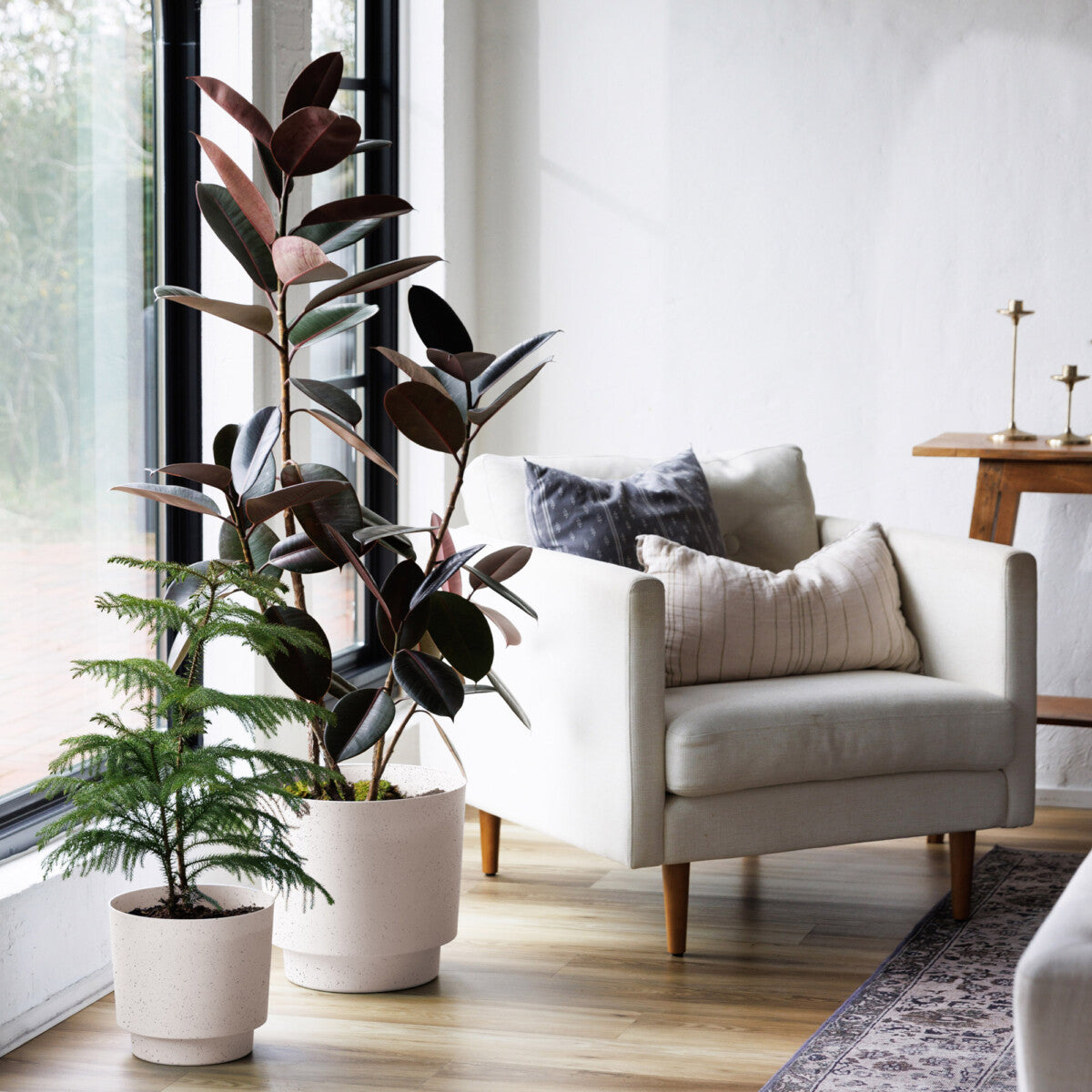
Rubber Plant (Ficus): Bold, dramatic leaves that create immediate impact. Prefers bright, indirect light and consistent (not excessive) moisture. Grows impressively tall over time.
Creating Optimal Indoor Growing Conditions
Humidity: Most houseplants appreciate higher humidity than typical homes provide. Group plants together, use pebble trays filled with water beneath pots (ensuring pots sit above water, not in it), or use humidifiers to increase ambient humidity. Bathrooms with bright windows are excellent plant spaces due to natural humidity.
Temperature: Most tropical houseplants prefer temperatures between 65-75°F. Keep plants away from cold drafts, heating vents, and temperature-extreme locations. Consistent temperature is more important than specific temperature.
Air circulation: Stagnant air promotes fungal disease. Position plants where air can move, though protect them from harsh drafts. An oscillating fan running on low speed improves air circulation without creating damaging wind.
Dust management: Dusty leaves can’t photosynthesize efficiently. Gently wipe smooth-leaved plants monthly with a soft, barely damp cloth. For plants with fuzzy leaves, use a soft brush. Shower plants occasionally under lukewarm water to rinse away dust.
Fertilizing Indoor Plants
Container plants exhaust nutrients faster than ground beds. Indoor plants benefit from regular feeding during growing season (spring and summer).
Frequency: Apply balanced houseplant fertilizer monthly during growing season, or every 2-3 months during slow-growth seasons. Follow package instructions carefully—too much fertilizer causes salt buildup and root damage.
Type: Liquid fertilizers are convenient for container plants. Water-soluble granules offer precise control. Slow-release pellets mixed into soil provide steady nutrition over months.
Signs of deficiency: Stunted growth, pale foliage, or lack of new leaves suggests nutrient deficiency. Begin regular fertilizing and plants typically respond within weeks.
Repotting and Refreshing
Indoor plants can remain in the same container indefinitely if you repot annually into fresh soil. Spring is ideal repotting time as growth accelerates.
Signs your plant needs repotting: roots emerging from drainage holes, water running straight through without absorption, or the plant becoming unstable in its pot.
When repotting, move up only one size—moving from a 6-inch to an 8-inch pot, not jumping to a 10-inch. Use fresh potting soil, water thoroughly after repotting, and don’t fertilize for a month to allow roots to settle.
Rotating Your Indoor Plantings
Plants indoors grow toward available light, creating uneven, lopsided growth. Rotate plants 180 degrees weekly to encourage balanced development. This simple maintenance practice creates fuller, more attractive plants.
Watering Cans and Tools for Indoor Gardening
Proper tools make plant care easier and more enjoyable. A narrow-spout watering can allows precise watering at soil level without wetting foliage. Moisturemeters remove guesswork about watering—insert the meter into soil and get a precise moisture reading.
Bloem’s watering cans combine beautiful design with practical function, making plant care a pleasure rather than a chore. Available in various styles and sizes, quality watering cans last for years, becoming trusted partners in your plant parenting journey.
Plant saucers and trays protect furniture while allowing excess water to drain. Bloem offers coordinating saucers matching their planter collections, protecting surfaces while creating cohesive visual designs.
Wall hooks and hanging systems expand growing space without consuming floor or shelf real estate. Trailing plants like pothos and philodendron create living walls in corners and blank spaces, bringing greenery to areas where planters couldn’t sit.
Conclusion
Indoor plant success stems from understanding plant needs and meeting them consistently. Provide well-draining pots, adequate light, appropriate watering, and basic humidity management, and most houseplants thrive indoors for years.
Begin with forgiving plants like pothos and snake plants as you develop skills and confidence. Progress to more finicky plants as experience grows. Every plant you keep alive teaches valuable lessons; every plant that declines teaches even more. Plant parenting is a lifelong learning journey, and the rewards—beautiful greenery, cleaner air, and daily connection to growing things—make the effort abundantly worthwhile.
Explore Bloem’s complete range of indoor planters in styles from contemporary to classic, selecting containers that match your décor while providing the drainage and moisture balance your plants need. Coordinating saucers, watering cans, and wall-mounted planters complete your indoor gardening setup, making plant care efficient and beautiful.
Start your indoor plant collection today, and transform your living space into a healthier, more vibrant home.