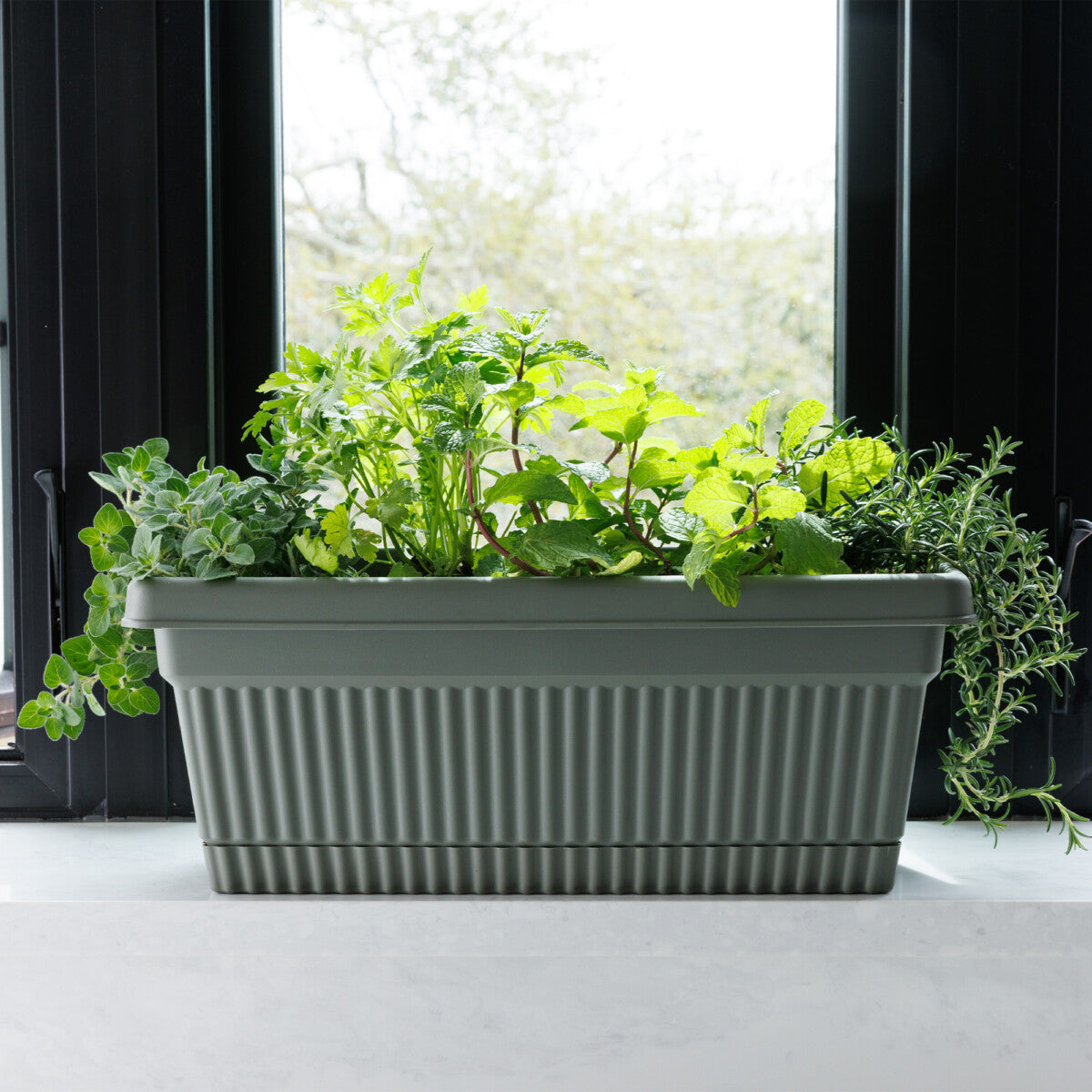
Window Box Gardening: Transform Any Space with Beautiful Blooms
Introduction
Window boxes are among the most rewarding garden projects, transforming the exterior of homes and apartments while brightening interior spaces. A well-designed window box brings color, fragrance, and movement to your daily view, enhancing both your mood and your home’s curb appeal. The beauty of window box gardening lies in its accessibility—you need no yard, no digging, and minimal space. Whether you live in a townhouse, apartment, or cottage, window boxes create an instant garden that connects you to seasonal changes and growing things.
This comprehensive guide walks you through designing, planting, and maintaining spectacular window gardens that will have passersby stopping to admire your creation.
Benefits of Window Box Gardening
Window boxes offer distinct advantages over traditional gardens. They’re visible and accessible from indoors, allowing you to enjoy gardening without going outside. This proximity encourages regular watering and maintenance since you see your plants daily.
Window boxes maximize vertical space, crucial for apartment dwellers and those with limited outdoor area. A single window can accommodate more plants than a large ground-level bed, amplifying your growing capacity.
The contained nature of window boxes creates beautiful focal points. Whether viewed from inside looking out or from the street looking in, well-planted boxes instantly elevate architectural appeal. For renters, window boxes provide gardening opportunities without permanent changes to living spaces.
Window boxes also extend the growing season. Proximity to windows and house warmth creates a microclimate that protects plants from harsh conditions, allowing you to garden longer into spring and fall.
Choosing the Right Window Box
Selecting an appropriate window box is fundamental to success. Consider several factors:
Material Selection
Plastic: Lightweight and affordable, plastic window boxes resist rot and weather extremes. Modern plastic options offer sophisticated aesthetics, and the material is durable enough for decades of use. Plastic retains moisture well, reducing watering frequency.
Resin: Resin window boxes combine plastic durability with upgraded aesthetics. They withstand harsh weather, won’t crack or fade, and offer the appearance of stone, wood, or other materials without associated maintenance demands. Self-watering resin boxes are particularly popular for their water-efficiency and consistent moisture delivery.
Wood: Wooden boxes offer traditional charm and warmth. They require periodic sealing or painting to resist rot, making them more maintenance-intensive than plastic or resin alternatives. Wood is ideal for period-appropriate homes where authentic materials matter.
Terracotta: Heavy and beautiful, terracotta boxes are prone to cracking in freezing temperatures and require moving indoors in harsh climates. They’re best for mild-weather regions or covered window locations.
Metal: Steel, aluminum, or copper boxes offer industrial or contemporary aesthetics. Ensure adequate drainage and monitor for rust with non-stainless materials.
Self-Watering Features
Self-watering window boxes feature built-in reservoirs that automatically maintain consistent moisture. These boxes are ideal for busy gardeners, those away frequently, or anyone in hot climates. The built-in water management system eliminates daily watering while reducing plant stress from inconsistent moisture. Self-watering boxes are often the difference between success and frustration in sunny, exposed window locations.
Size and Mounting Considerations
Window boxes should be at least 6-8 inches deep for adequate root space. Length matters less critically—multiple smaller boxes can be arranged as desired. The box should overhang each window edge by 6-12 inches, creating balanced visual proportions.
Choose boxes with secure mounting systems. Sturdy brackets should support the weight of wet soil and mature plants without straining. Ensure your home’s window structure and siding can accommodate the mounting system—vinyl siding requires different approaches than wood or brick.
Best Plants for Window Boxes by Season
Window box plants vary by season and climate, offering year-round beauty through thoughtful variety selection.
Spring Window Boxes
Spring window boxes transition from winter dormancy to fresh growth. Pansies and violas provide reliable, cold-tolerant color in purples, blues, yellows, and whites. Snapdragons add vertical interest and extend into summer. Cool-season lettuce and herbs bridge spring into summer edible gardens.
Dwarf tulips and daffodils bloom in sequence, offering weeks of color. Creeping jenny provides bright trailing texture. English ivy adds evergreen structure while young annual foliage grows in.
Summer Window Boxes
Summer offers abundant color and fragrance. Petunias in every hue are reliable, prolific bloomers that fill boxes beautifully. Impatiens thrive in partially shaded window locations, providing reliable color when sun-loving plants struggle. Marigolds bring cheerful warmth, while begonias offer elegant texture.
Trailing calibrachoa cascades gracefully from box edges, creating abundant color from a compact plant. Scaevola offers blue daisy-like flowers and vigorous trailing growth. Sweet potato vine adds interesting foliage texture and vigor, creating lush, full boxes with minimal flowers.
Edible summers include basil and other herbs, cherry tomato varieties (bush types suit box dimensions), and trailing strawberries that produce season-long fruit.
Fall Window Boxes
Autumn offers richer palettes and reliable color. Ornamental kale and cabbage provide architectural structure and sophisticated burgundy and cream tones. Mums bloom abundantly, offering every fall color—rust, bronze, purple, and cream.
Dusty miller’s silver foliage bridges blooming plants while glowing in fall light. Ornamental peppers add architectural interest and fruiting beauty. Trailing ivy geranium transitions beautifully into winter while maintaining color.
Winter Window Boxes
Winter boxes focus on structure and evergreen foliage rather than flowers. Dwarf conifer varieties provide year-round form. Holly branches with red berries add festive cheer. Ivy creates cascading structure, while evergreen shrub cuttings provide greenery.
Winter boxes might feature ornamental grasses, decorative branches, or dried elements arranged for artistic beauty. Many gardeners plant the fall box specifically to transition into winter without replanting.
Design Tips: The Thriller, Filler, Spiller Technique
Professional window box designers use the thriller-filler-spiller formula to create full, balanced, visually interesting compositions:
Thriller: The thriller is the focal point plant, typically the tallest element. Thriller plants should be interesting in form, color, or texture—a tall salvia, upright fuchsia, or dramatic ornamental pepper. Place the thriller slightly off-center for visual interest rather than dead-center.
Filler: Fillers create bulk and secondary interest, complementing the thriller. Medium-height plants like petunias, begonias, and marigolds work well. Fillers should echo or complement thriller colors while adding textural variety.
Spiller: Spillers are trailing or cascading plants that soften box edges and add movement. Calibrachoa, trailing petunias, ivy, and sweet potato vine are classic spillers. Spillers should coordinate with overall color schemes while creating the lush, abundant appearance characteristic of mature window boxes.
This simple formula creates professional-looking boxes that feel balanced and intentional rather than haphazard.
Installation and Mounting Tips
Proper installation ensures boxes remain secure and stable, especially in wind or when heavy with wet soil.
Assess your windows: Inspect window frames, siding, and surrounding structures. South-facing windows with direct sun get hot—select heat-tolerant plants and consider partial-shade tolerant options. North-facing windows are shadier—choose shade-loving plants. East and west exposures are typically moderate.
Choose sturdy mounting hardware: Use brackets rated to support at least twice the box’s total weight when fully planted and saturated. Space brackets 16-24 inches apart depending on box length. For renters, consider standing boxes on window ledges secured with cable ties, or use adhesive mounting systems designed for temporary installation.
Ensure adequate drainage: Holes in box bottoms are essential. If you love a solid-bottomed box for appearance, place a draining box inside it. Standing water beneath windows attracts pests and causes structural damage.
Plan for water access: Window boxes should be reachable for watering without requiring hazardous stretching or balance. Consider self-watering boxes if your boxes are difficult to reach safely.
Protect your siding: Use shims between mounting brackets and siding to allow air circulation, preventing moisture accumulation that rots siding or promotes mold.
Maintaining Window Box Beauty
Window box success requires consistent care throughout the season.
Watering: Window boxes dry out quickly, especially in sun and wind. Check soil moisture daily during hot weather. Most window boxes need watering daily in summer. Self-watering boxes reduce this frequency to 2-3 times weekly, even in intense heat.
Deadheading: Removing spent flowers encourages continuous blooming. Dedicate time weekly to pinching off faded flowers and seed heads. This simple task extends blooming periods dramatically.
Fertilizing: Container plants exhaust nutrients within weeks. Apply balanced, diluted fertilizer every 2-3 weeks during growing season. Many gardeners use slow-release fertilizer granules mixed into potting soil at planting time for hassle-free nutrition.
Pruning: Remove dead leaves and stems promptly. Pinch back leggy growth to encourage bushier development. These maintenance tasks take minutes but dramatically improve window box appearance.
Refreshing boxes: By mid-summer, early plantings may look tired. Don’t hesitate to remove spent plants and introduce fresh selections. Replacing a tired petunia with a vigorous caladium or fresh impatiens revitalizes entire boxes.
Creating Complementary Window Box Arrangements
When multiple windows are visible from the street, coordinate plantings for cohesion while allowing seasonal variety. Use identical color palettes across all boxes, or create rhythm by alternating color schemes. Staggered planting allows boxes to peak at different times, maintaining continuous interest.
Consider your home’s architectural style when selecting plantings. Contemporary homes suit clean, minimalist arrangements with bold color or foliage focus. Traditional homes benefit from classic flower combinations. Cottage homes embrace abundant, overflowing cascades of mixed flowers.
Conclusion
Window boxes transform outdoor spaces, bringing gardening joy to every level of gardener from apartment dwellings to suburban homes. With thoughtful plant selection, proper sizing, and consistent care, window boxes become the envy of your neighborhood while providing daily beauty visible from both inside and outside your home.
Whether you’re drawn to the thriller-filler-spiller design technique or creating your own aesthetic, window boxes reward effort with outsized visual impact. The combination of accessible height, concentrated plantings, and prominent visibility makes window boxes among the most gratifying gardening projects.
Explore Bloem’s Lucca and Veranda window box collections, designed with proper depths and drainage for optimal plant growth. Available in coordinating sizes and sophisticated finishes, Bloem boxes provide the foundation for stunning seasonal displays. Self-watering options take water management off your plate, ensuring consistent moisture and thriving plants throughout the growing season.
Transform your windows into living artwork this season. Your home’s curb appeal—and your daily view—will bloom beautifully.