Article: The Complete Beginner's Guide to Container Gardening
The Complete Beginner's Guide to Container Gardening
Introduction
Whether you’re dreaming of a lush garden but only have a small balcony, apartment patio, or limited yard space, container gardening is your answer. This versatile gardening method has transformed outdoor living spaces for millions of gardeners worldwide, and it’s easier than you might think. The beauty of container gardening is that it removes many barriers to growing your own plants—no need for perfect soil, extensive yard space, or years of experience.
In this comprehensive guide, we’ll walk you through everything you need to know to start your container gardening journey, from selecting the right containers to nurturing your first thriving plants.
Why Container Gardening Is Perfect for Any Space
Container gardening offers unmatched flexibility. Whether you live in an apartment, townhouse, or home with limited yard space, you can create a vibrant garden wherever you have access to sunlight. This approach works wonderfully for urban gardeners, those with mobility challenges who can bring containers to comfortable heights, and anyone who wants to experiment without committing to permanent garden beds.
Beyond space limitations, container gardening gives you complete control over your growing environment. You can customize soil composition for specific plants, move containers to catch optimal sunlight, and easily rotate plants to different locations as your landscape design evolves. Plus, containers reduce pest pressures in some cases and allow you to garden on patios, decks, steps, and windowsills.
Choosing the Right Containers: Materials, Sizes, and Drainage
Container Materials
Your container material affects moisture retention, temperature regulation, and overall plant health. Here are the main options:
Ceramic and Pottery: Beautiful and decorative, these traditional options are heavier and provide excellent insulation. However, they’re porous and dry out faster, requiring more frequent watering. They’re ideal for covered areas where rainfall won’t cause waterlogging.
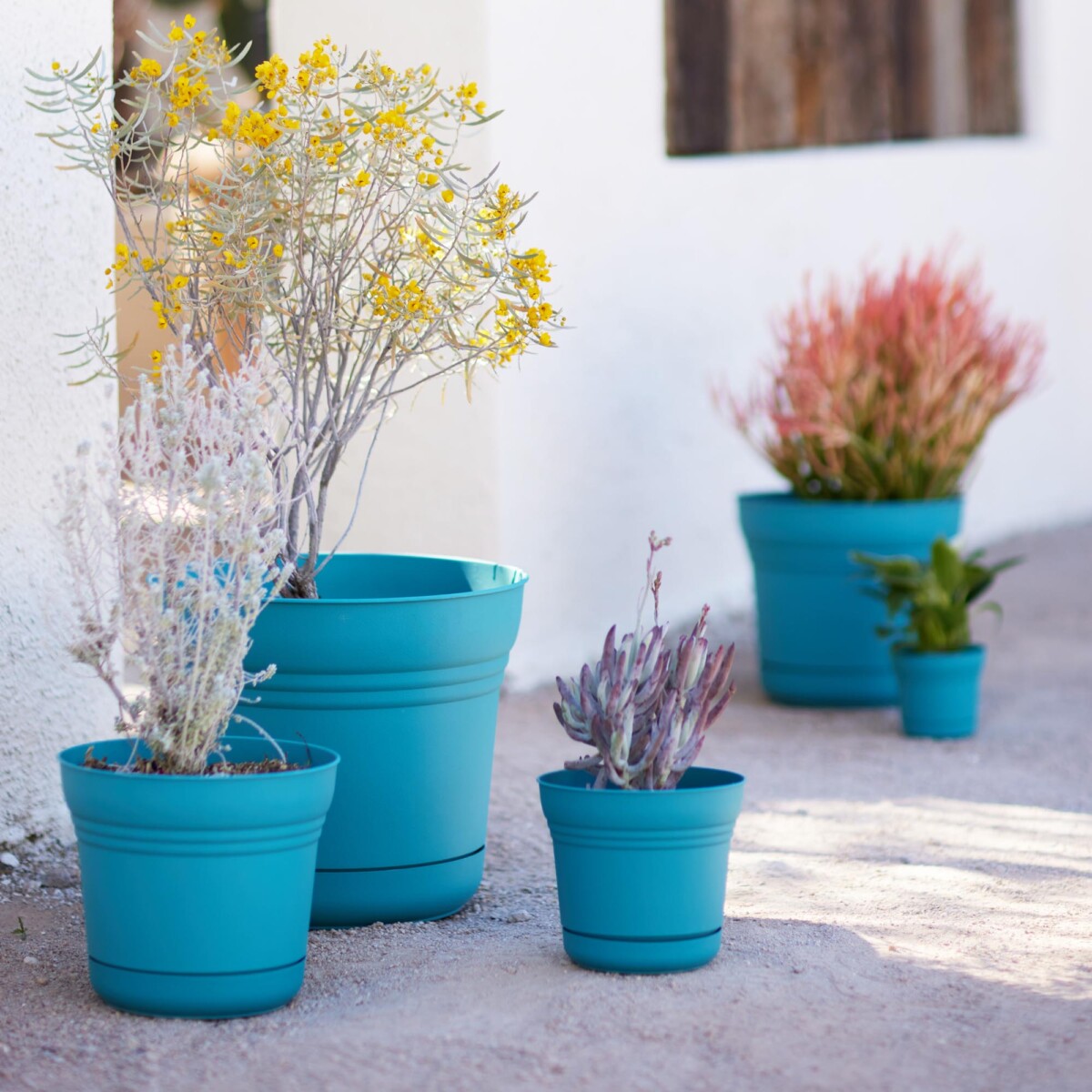
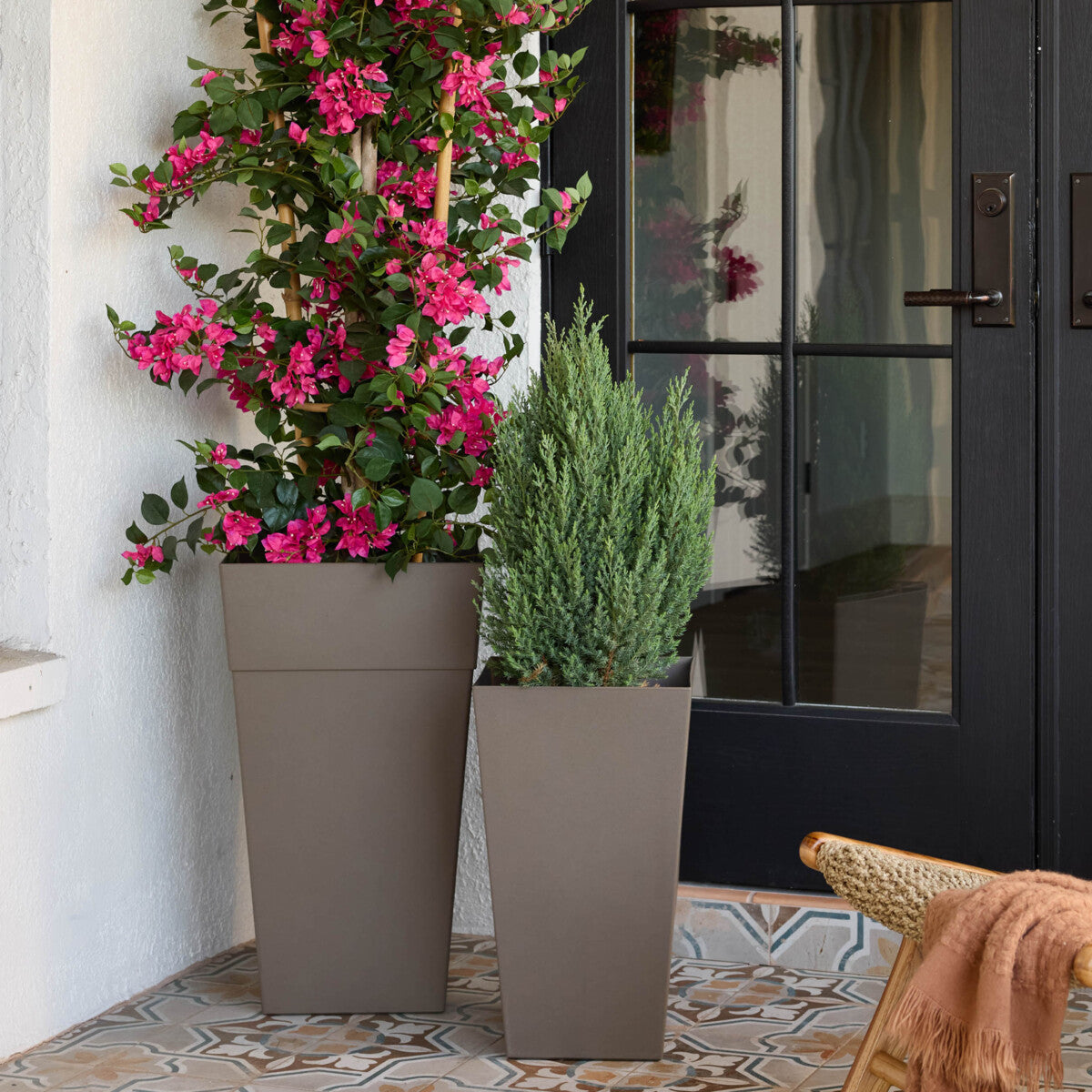
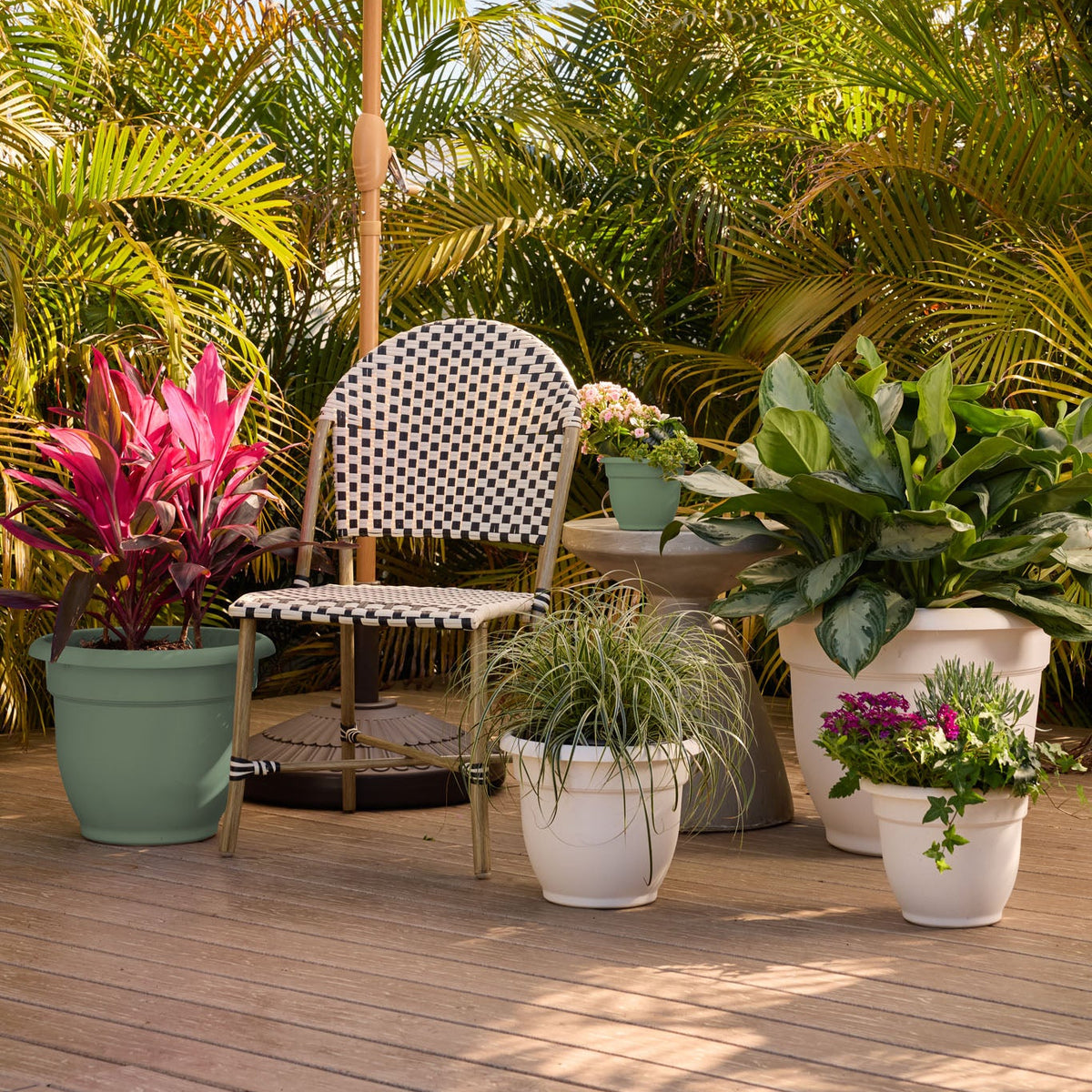
Plastic: Lightweight and affordable, plastic containers are popular with beginners. Modern plastic is more durable than ever, and resin planters offer sophisticated aesthetics while maintaining practical benefits. Plastic retains moisture longer than ceramic, making it ideal for plants preferring consistent moisture.
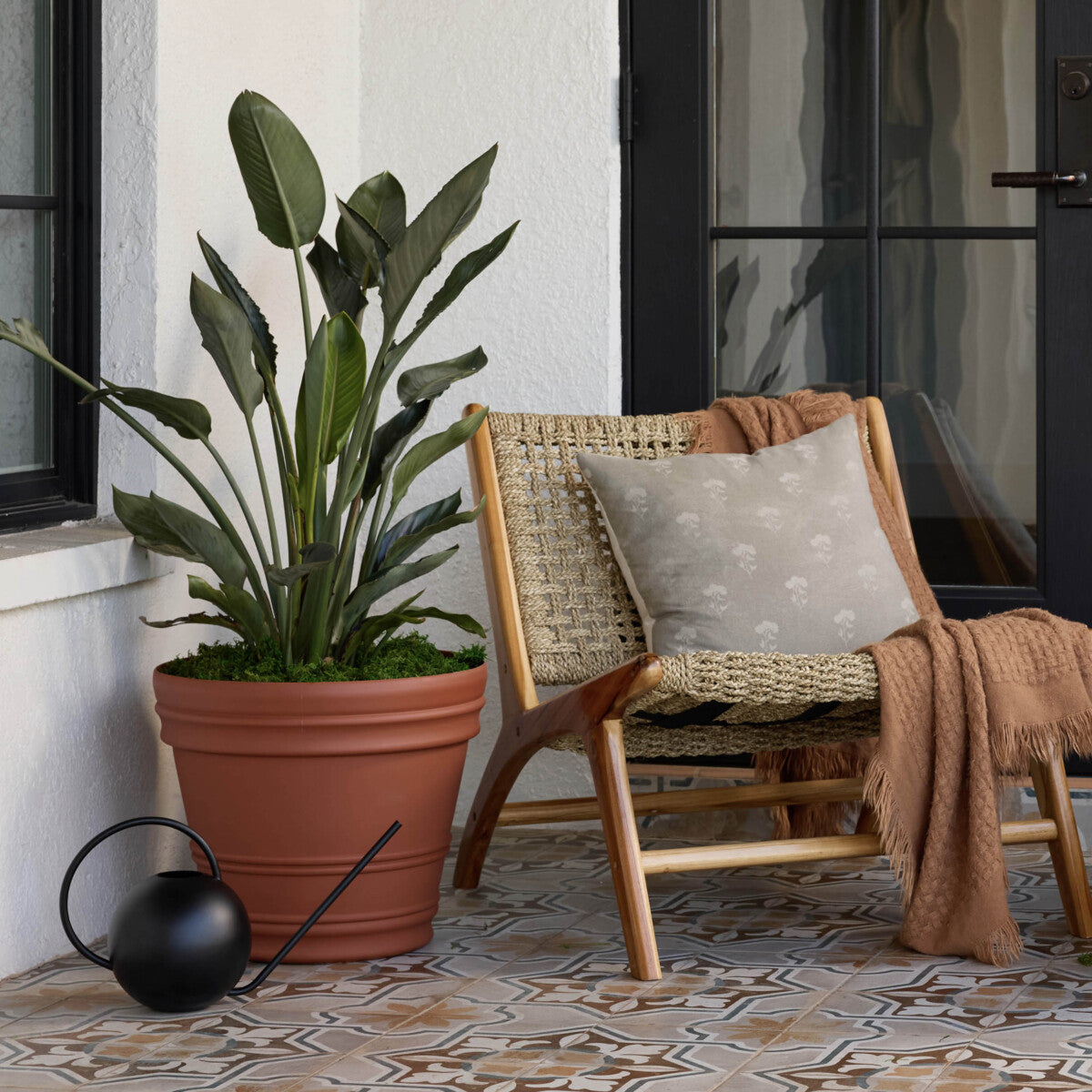
Terracotta: These classic pots are porous and allow excellent air circulation to roots, but they dry out quickly and can crack in freezing temperatures. Reserve terracotta for tender plants in warm climates or move containers indoors during winter.
Fabric and Grow Bags: These breathable options prevent root circling and are excellent for vegetables and herbs. They’re lightweight and affordable, though less decorative for prominent placement.
Wood: Wooden containers offer rustic charm and good insulation. Ensure they’re untreated or lined to prevent rotting, and note that wood eventually deteriorates.
Container Size and Drainage
Size matters enormously for container success. Most beginners err on the side of small containers, which dry out too quickly and restrict root development. Here’s a practical guideline: container depth should be at least half the mature height of your plant, and the diameter should allow 1-2 inches of space between the plant and pot edge.
Drainage is non-negotiable. Every container must have drainage holes—no exceptions. Without drainage, water accumulates, creating conditions for root rot and fungal diseases. If you love a container without drainage holes, simply place it around another drainage-equipped pot.
Essential Soil and Drainage Tips
Never use garden soil in containers; it compacts and prevents drainage. Instead, invest in quality potting mix specifically formulated for containers. These mixes are light, airy, and designed to drain well while retaining adequate moisture for plant roots.
For moisture-loving plants, consider potting mixes with added perlite or bark for enhanced drainage. For moisture-hungry plants like vegetables, select mixes with additional peat moss or coconut coir for better water retention.
Many gardeners appreciate self-watering planters, which include a reservoir beneath the soil that automatically delivers water as plants need it. This technology is particularly valuable during hot summers when daily watering might otherwise be necessary, or if you travel occasionally. These planters reduce water waste and prevent the stress of missed watering days.
Create a drainage layer by placing a 1-2 inch layer of pebbles or broken pottery shards at the pot bottom. This prevents soil from settling into drainage holes and maintains consistent water flow.
Best Beginner-Friendly Plants
Success with your first few plants builds confidence and gardening skills. These reliable performers rarely disappoint:
Herbs: Basil, parsley, thyme, and oregano thrive in containers with minimal care. They’re beautiful, fragrant, and incredibly useful in the kitchen.
Flowers: Marigolds, zinnias, impatiens, and begonias are forgiving flowers that bloom prolifically in containers. Petunias offer season-long color and attract pollinators.
Vegetables: Cherry tomatoes, lettuce, peppers, and radishes are surprisingly successful in pots. These edible plants provide satisfaction beyond ornamental beauty.
Perennials: Coneflowers, black-eyed Susans, and daylilies adapt well to containers and return year after year with minimal care.
Houseplants: Spider plants, pothos, snake plants, and ZZ plants are nearly impossible to kill and thrive indoors with moderate light.
Common Mistakes to Avoid
Learning from others’ mistakes accelerates your success. Here are the most frequent beginner errors:
Overcrowding: Planting too densely restricts air circulation, promotes disease, and causes plants to compete for nutrients and water. Follow spacing guidelines on plant labels.
Inconsistent watering: Too much water causes root rot; too little stresses plants. Check soil moisture regularly with your finger—if the top inch feels dry, it’s time to water.
Poor drainage setup: As mentioned, drainage is critical. Choose containers wisely and ensure proper soil composition.
Inadequate light: Most flowering plants and vegetables require 6-8 hours of direct sunlight daily. Assess your space and choose shade-tolerant plants if necessary.
Neglecting fertilization: Container plants exhaust nutrients faster than garden beds. Apply balanced fertilizer every 2-4 weeks during the growing season.
Choosing wrong-sized containers: Large containers dry out slowly and can feel overwhelming to manage, while tiny pots require constant watering and restrict root development.
Creating Your First Container Garden
Start small. Choose 2-3 containers and 2-3 plant varieties you’re genuinely excited about. Arrange containers where they’ll receive appropriate sunlight and where you’ll see them regularly—this encourages consistent care and attention.
Select a quality potting mix, gather attractive pots with drainage holes, and plant your selections following the depth guidelines on plant labels. Water thoroughly after planting until water emerges from drainage holes, then establish a regular watering schedule.
Many successful container gardeners appreciate the convenience of self-watering planters with built-in water reservoirs, which eliminate daily watering concerns and maintain consistent moisture levels. These planters come in various sizes and styles to suit any aesthetic preference, making them practical investments for long-term success.
Conclusion
Container gardening opens a world of possibility, regardless of your space or experience level. By selecting appropriate containers with reliable drainage, using quality potting soil, choosing beginner-friendly plants, and avoiding common mistakes, you’ll create a thriving garden that brings beauty and satisfaction to your home.
The best garden is the one you’ll maintain, so start with plants and containers you genuinely love. As you gain confidence and experience, expand your selections and experiment with new varieties. Every gardener started somewhere, and container gardening is the perfect beginning.
Ready to get started? Explore Bloem’s complete range of containers and planters—from self-watering options to classic designs—each engineered for healthy plant growth and lasting beauty. Your perfect container garden awaits.