How to Choose the Right Planter Size for Every Plant
Introduction
One of the most overlooked factors in container gardening success is planter size. Many beginning gardeners assume bigger is always better, while others squeeze plants into containers too small for healthy growth. The truth lies in understanding how different plants develop their root systems and what container dimensions support their maturation. Choosing the right planter size is the foundation of thriving container gardens, affecting water retention, nutrient availability, root health, and overall plant vigor.
This guide provides practical sizing recommendations for every plant type, helping you make confident decisions when selecting containers for your garden.
Why Size Matters for Plant Health
Container size directly impacts plant survival and flourishing. A planter that’s too small restricts root development, limiting the plant’s ability to absorb water and nutrients. Small containers also dry out rapidly, creating stress during hot weather or if watering is missed. The constant cycle of drying and recovering weakens plants and reduces flowering and fruit production.
Conversely, oversized containers retain excessive moisture, creating conditions for root rot and fungal disease. When soil volume vastly exceeds plant root mass, water lingers in the soil without being absorbed, suffocating roots and promoting pathogens.
The ideal planter provides enough space for mature root development while maintaining appropriately quick drainage cycles that match the plant’s water needs. This balance ensures roots have adequate moisture and oxygen while preventing waterlogging.
Size Guide by Plant Type
Herbs
Culinary herbs generally have modest root systems, making them some of the most forgiving container plants.
Small herbs (basil, parsley, cilantro, dill): Plant each in a 4-6 inch diameter container, 4-6 inches deep. These shallow-rooted herbs thrive in modest volumes and dry out at appropriate rates for their needs.
Medium herbs (oregano, thyme, sage, lavender): Choose 8-10 inch diameter containers, 8 inches deep. These woody herbs develop stronger root systems and require slightly more space.
Large herbs (bay laurel, rosemary): Plant in 12-14 inch diameter containers, 10-12 inches deep. These perennial herbs eventually grow substantial root systems that need adequate space.
Herb collections: A 16-18 inch diameter container accommodates 3-4 compatible herbs sharing similar water needs, such as Mediterranean herbs (rosemary, thyme, oregano) together.
Flowering Plants
Flowering annual and perennial needs vary considerably based on mature size and root system depth.
Shallow-rooted annuals (impatiens, begonias, lobelia, alyssum): Use 6-8 inch diameter containers, 6-7 inches deep. These petite flowers flourish in modest spaces and provide season-long color.
Medium annuals (marigolds, petunias, zinnias, salvia): Select 10-12 inch diameter containers, 8-10 inches deep. These vigorous bloomers fill containers beautifully at this size.
Large annuals (tall zinnias, sunflowers, dahlias): Plant in 14-18 inch diameter containers, 12 inches or deeper. Taller plants develop proportionally deeper root systems requiring more soil volume.
Perennials: Most perennials are best in 12-16 inch diameter containers, 12 inches deep, allowing room for root expansion year after year. Long-lived perennials eventually need larger containers or annual repotting.
Shrub-like flowering plants (hydrangeas, butterfly bush, dwarf conifers): Use 18-24 inch diameter containers, 15-18 inches deep.
Vegetable Plants
Vegetables typically develop deeper roots than ornamentals, requiring thoughtful sizing to reach their productive potential.
Shallow-rooted vegetables (lettuce, spinach, arugula, radishes): Plant in 6-8 inch deep containers, 10-12 inches diameter. These quick-growing crops don’t need extensive soil volume.
Medium-rooted vegetables (beans, peas, bush peppers, bush tomatoes): Use 12-18 inch diameter containers, 10-12 inches deep. These productive plants need adequate root space for steady yields.
Deep-rooted vegetables (indeterminate tomatoes, eggplant, full-size peppers, cucumbers): Select 18-24 inch diameter containers, 15-18 inches deep. These substantial plants develop extensive root systems and produce prolifically when properly sized.
Root vegetables (carrots, beets, turnips): Soil depth is critical—choose containers at least 12 inches deep for smaller varieties, 15-18 inches for full-size roots.
Vining vegetables (melons, squash, cucumber): Large containers (20-24 inch diameter) provide necessary root space for vigorous vining plants that produce heavily.
Shrubs and Larger Plants
Substantial plants with woody growth require sufficient container volume to support their size and root systems.
Dwarf shrubs (dwarf arborvitae, compact junipers, small boxwoods): Plant in 16-18 inch diameter containers, 12-14 inches deep.
Standard shrubs (hydrangeas, butterfly bush, flowering currant): Use 20-24 inch diameter containers, 15-18 inches deep.
Small trees and tall shrubs (Japanese maple, cinnamon myrtle, bay laurel trees): Plant in 24+ inch diameter containers, 18+ inches deep. These plants have deep, extensive root systems.
When to Size Up: Recognizing Repotting Signs
Successfully growing plants in containers involves knowing when they’ve outgrown their homes. Several signs indicate repotting time:
Roots emerging from drainage holes suggest the container is too small. When roots escape the pot seeking space, plant growth typically plateaus despite adequate water and light.
Rapid drying between waterings indicates insufficient soil volume to retain adequate moisture. If you’re watering twice daily during mild weather, sizing up usually solves this problem.
Stunted growth without clear causes of stress (insufficient light, nutrient deficiency) suggests root-bound conditions restricting nutrient absorption.
Circling roots visible when unpotting suggest the plant has exhausted available space and needs more room.
Difficulty absorbing water and frequent wilting despite adequate watering can indicate compacted roots have no room to function effectively.
When repotting, move to a container 2-3 inches larger in diameter, using fresh potting soil. Spring is the ideal repotting time, allowing plants to recover during active growth.
Indoor vs. Outdoor Sizing Considerations
Indoor and outdoor environments create different growing conditions affecting appropriate container sizing.
Indoor plants often dry out more slowly due to reduced light, lower evaporation rates, and humidity control. Slightly smaller containers are appropriate indoors to prevent overwatering issues. However, ensure containers still provide adequate root space for healthy growth.
Outdoor plants in direct sun and warm temperatures dry out rapidly. These plants benefit from slightly larger containers that maintain consistent moisture despite faster evaporation. A 1-2 inch increase in container diameter often compensates for faster outdoor drying.
Seasonal considerations affect sizing. Plants grown outdoors through winter need slightly larger containers to sustain themselves through dormancy. Spring and summer plantings can be more conservatively sized since peak growth occurs in favorable conditions.
Bloem’s Range: Sizing for Every Plant
Bloem offers planters in comprehensive sizes accommodating every plant type and aesthetic preference. From petite 4-inch containers perfect for single herbs to statement-making 24-inch planters for shrubs and trees, Bloem’s range ensures you’ll find exact sizing for optimal plant health.
Bloem’s self-watering planters, available in sizes from 6 to 24 inches, eliminate many sizing-related water management challenges. The built-in water reservoirs maintain consistent moisture regardless of weather or evaporation rates, reducing the stress of undersized containers that dry too quickly.
For gardeners managing multiple plants, Bloem offers coordinating sizes that create visually cohesive arrangements while ensuring each plant receives appropriately sized accommodations. The variety of materials—including durable resin that weathers beautifully—means you’ll find attractive options in every size.
Creating a Size-Coordinated Container Garden
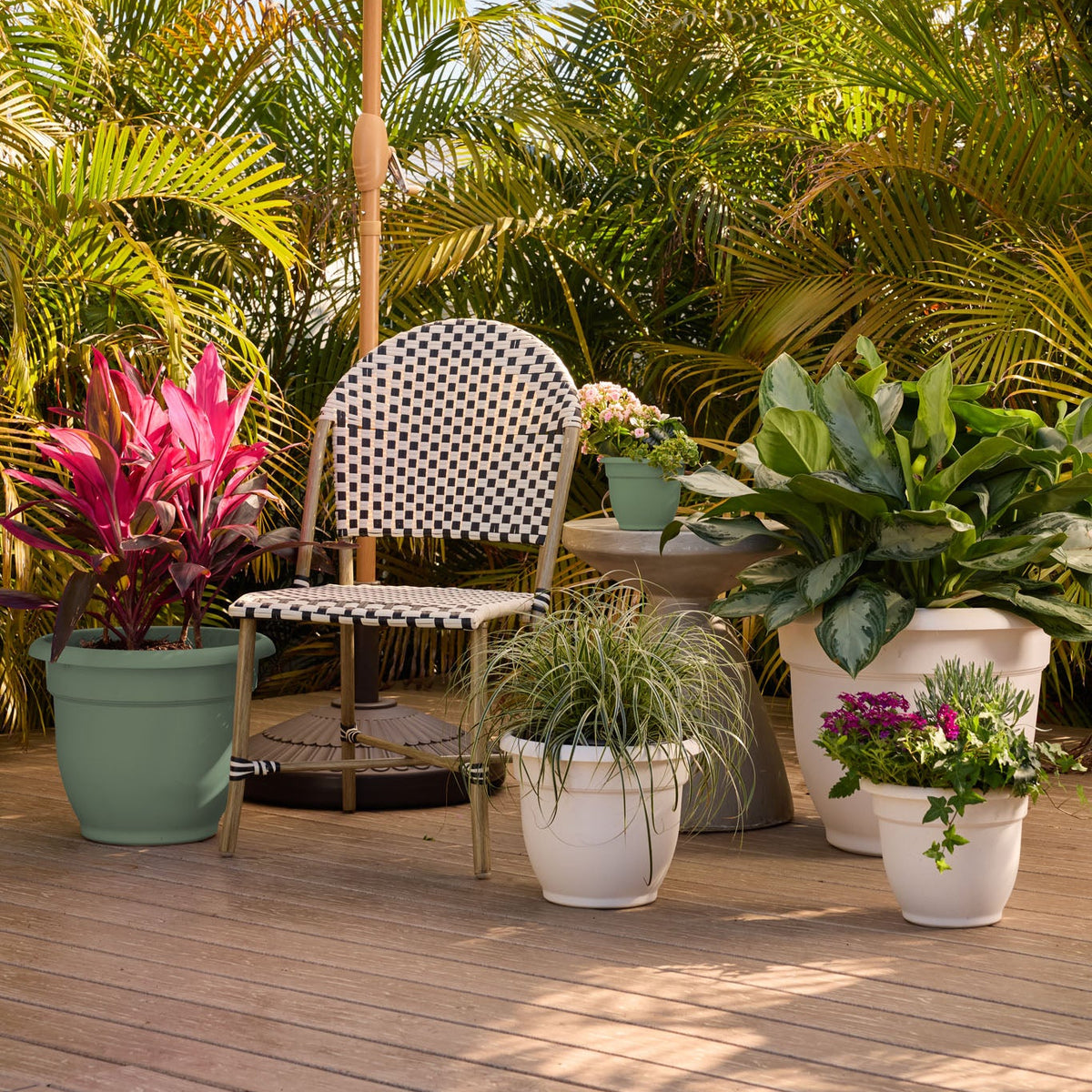
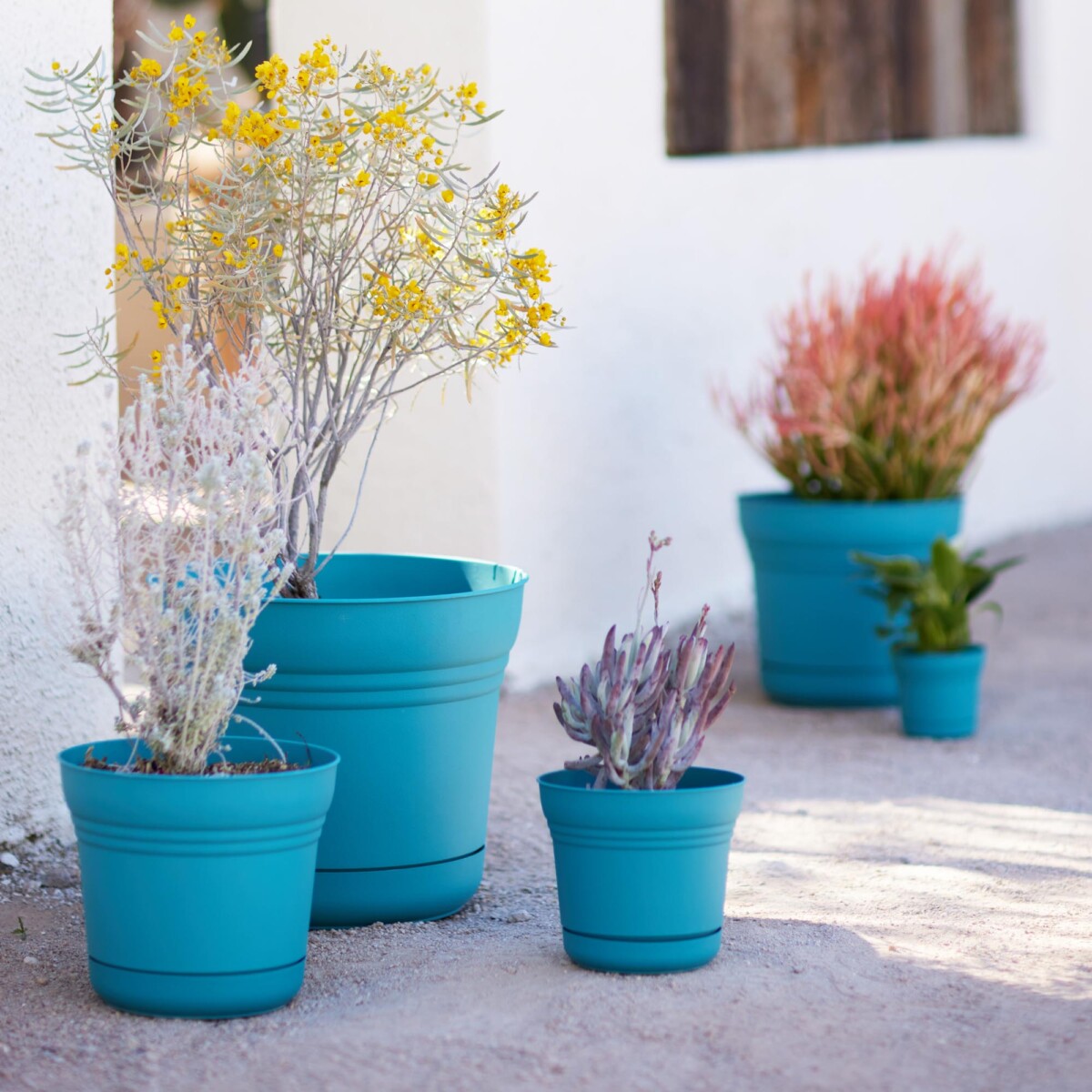
When designing container gardens with multiple plants, coordinate planter sizes thoughtfully. Group smaller planters (6-8 inches) with medium (12-14 inches) and larger containers (18-24 inches) to create visual interest through size variation while ensuring each plant receives appropriate root space.
Odd-numbered groupings (3 or 5 containers) arranged at varying heights create dynamic, professional-looking arrangements. This layering effect showcases different plant heights while making practical sense—smaller herbs in small containers, medium flowers in medium containers, statement plants in larger containers.
Conclusion
Choosing the right planter size is a simple but powerful way to ensure container gardening success. Whether you’re growing delicate herbs, vibrant annuals, productive vegetables, or substantial shrubs, matching container dimensions to plant needs creates the foundation for thriving growth.
Reference the size recommendations for your specific plants, monitor growth patterns throughout the season, and don’t hesitate to upsize if your plants show signs of outgrowing their containers. With experience, selecting appropriate planters becomes intuitive, and you’ll develop a sense for what each plant needs.
Bloem’s extensive range of planters in every size ensures you’ll always find perfect accommodations for your plants, whatever their root system requirements. Start with properly sized containers from the beginning, and you’ll be amazed at how vigorously your plants respond.