Your Complete Seasonal Container Planting Calendar
Introduction
Successful container gardening follows nature’s rhythm, aligning planting, maintenance, and refresh cycles with seasonal changes. A seasonal calendar transforms gardening from reactive problem-solving into proactive planning, ensuring you’re always planting at optimal times and maintaining plants during critical growth periods. This guide provides a month-by-month roadmap for container gardeners, detailing what to plant, when to refresh plantings, and the essential tasks that keep containers thriving through every season.
Whether you’re managing spring annuals, summer vegetables, fall ornamentals, or winter evergreens, this calendar ensures your containers always showcase your best work.
Spring Planning and Planting Guide
March
Planning Tasks: Assess winter damage to perennial containers. Replace damaged soil or entire plantings as needed. Inspect mounting hardware on window boxes and hanging baskets; repair or replace any compromised brackets before full planting season arrives.
Soil Preparation: Clear winter containers and refresh soil. Don’t reuse last year’s soil directly—it’s compacted and depleted of nutrients. Add fresh potting mix or combine old soil with equal parts new mix for economy gardeners.
Early Spring Plantings: Cool-season crops thrive in early spring. Start lettuce, spinach, arugula, and peas in containers. Plant pansies, violas, and snapdragons alongside evergreen foliage like ivy and dusty miller for color transitions.
Perennial Division: If perennials are container-bound, late winter to early spring is ideal dividing time. Divide root balls, replant in fresh soil, and you’ve doubled your perennial inventory without additional expense.
April
Spring Awakening: As frost danger decreases, plant cool-season crops that will mature before summer heat. Lettuce, herbs, and peas grow vigorously in spring’s long days and moderate temperatures.
Tree and Shrub Basics: Plant deciduous shrubs and small trees while they’re still dormant. Containerized spring planting allows establishing good roots before summer’s heat stress.
Maintenance: Begin regular watering routines as days warm and rainfall decreases. Apply slow-release fertilizer to established perennial containers, or begin bi-weekly diluted fertilizer applications.
Cuttings: Spring is ideal for propagating perennials and shrubs from cuttings. Root softwood cuttings in moist potting mix for summer planting stock.
May
Final Frost Danger Passes: Once frost danger is past (check your local frost date), plant frost-tender annuals, vegetables, and tropical plants. This is prime planting season across most climates.
Annual Flowers: Create window box plantings and container arrangements with petunias, impatiens, marigolds, begonias, zinnias, and other tender annuals. Use the thriller-filler-spiller design formula for instantly impressive results.
Vegetables: Plant tomatoes, peppers, eggplants, basil, and other heat-loving crops. Choose compact varieties suited to container cultivation. Succession plant lettuce and beans every 2-3 weeks for continuous harvest.
Maintenance: Increase watering frequency as temperatures rise. Mulch container soil surfaces to retain moisture and regulate temperature fluctuations. Deadhead early bloomers to encourage continuous flowering.
Summer Maintenance and Peak Bloom
June
Heat Management: In hot climates, consider afternoon shade cloth over the most exposed containers. Even sun-loving plants benefit from protection when temperatures exceed 90°F.
Watering Intensifies: Summer heat dramatically increases water needs. Many containers require daily watering; containers in intense sun and exposed locations may need twice-daily watering during heat waves.
Fertilizing: Apply balanced fertilizer every 2-3 weeks. Container plants exhaust nutrients faster than ground beds and benefit from consistent feeding. Use diluted liquid fertilizers or water-soluble granules for reliable results.
Pest Monitoring: Hot, dry conditions favor pest problems. Monitor container plants regularly for spider mites, aphids, and whiteflies. Treat early with neem oil or insecticidal soap before infestations become severe.
Succession Planting: Plant final lettuce crops of the season if your climate permits summer lettuce cultivation. Start seeds for fall transplants (kale, broccoli, cabbage) indoors now for transplanting in late summer.
July
Peak Maintenance: Summer’s heat requires constant attention. Check container moisture daily and water as needed. Containers may need watering morning and evening during extreme heat.
Deadheading: Spend 15-30 minutes weekly deadheading spent flowers. This simple task keeps plants blooming and looking their best. Pinch back leggy growth to encourage bushier development.
Pest Management: Continue monitoring for pests. Hot, stressed plants attract pests; consistent watering and appropriate shade reduce stress and pest pressure.
Vacation Planning: If you’re traveling, consider self-watering planters or soaker hose systems for vacation peace of mind. A week without water typically stresses or kills container plants in summer heat.
Refreshing: Replace plants that have peaked or faded. Remove exhausted pansies and early-spring plantings that have declined in summer heat. Introduce fresh annuals or vegetables for late-summer and fall interest.
August
Fall Transition Begins: Begin thinking about fall plantings. Order cool-season seeds and transplants for September planting.
Summer Vegetable Peak: Most summer vegetables are at peak production. Harvest regularly to encourage continued fruiting.
Deadheading Continues: Maintain deadheading and fertilizing routines. Late-summer is critical for extending blooms into fall.
Begin Fall Prep: Start seeds for fall brassicas, lettuce, and pansies indoors. These will be ready to transplant into containers in late summer or early fall.
Water Management: Prepare for fall watering needs. Even as temperatures cool, containers may need regular watering through September and into October.
Fall Transition Plants and Colors
September
Fall Planting: This is arguably the second-best planting season. Plant cool-season crops including lettuce, spinach, mâche, radishes, and peas. These mature quickly in cooling temperatures and shorter days.
Mum and Ornamental Planting: Plant chrysanthemums, ornamental kale and cabbage, asters, and other fall bloomers. Pair with trailing ivy and dusty miller for sophisticated autumn arrangements.
Evergreen Refresh: Plant evergreen perennials and shrubs. Fall plantings establish excellent roots through cool, moist months, ready to flourish next spring.
Summer Plant Removal: Remove tired summer annuals. Clear spent tomato plants, exhausted basil, and heat-stressed flowers. The garden refresh feels invigorating and makes room for fall beauty.
Lawn and Tree Debris: If deciduous trees overhang containers, plan for falling leaves. While some leaf cover is aesthetic, excessive accumulation blocks light and promotes fungal disease. Monitor and remove excess debris.
October
Late Season Colors: Fall’s natural color palette—rust, bronze, deep purple, burgundy, gold—coordinates beautifully. Take advantage of seasonal abundance for containers that feel authentic to the season.
Perennial Planting: Late fall is excellent for planting hardy perennials. Cool temperatures and autumn moisture reduce transplant stress, allowing roots to establish before dormancy.
Container Care: Begin reducing watering as growth slows and temperatures cool. Plants need less water in fall; monitor soil moisture and avoid overwatering.
Frost Watch: As temperatures drop, tender plants like basil, begonias, and tender perennials decline. Either harvest final produce, bring containers indoors, or accept that frost-tender plants will finish their season.
Mulching: Add mulch to perennial containers to moderate soil temperature fluctuations as frost arrives. Mulch also insulates roots during winter freezes.
November
Winter Prep: Prepare perennial containers for winter. Add mulch, reduce watering, and position containers against house walls for frost protection if necessary.
Fall Cleanup: Remove annual bedding plants that have been killed by frost. Clear dead foliage and decaying plant material. A clean container garden looks better and reduces pest overwintering sites.
Container Storage: Store tender container plants indoors or move them against protected south-facing walls. Wrap vulnerable containers or move them to sheltered locations.
Planning: Begin sketching plans for next season. Note what worked beautifully and what disappointed. Consider new plant varieties and design approaches for spring plantings.
Winter Container Gardening Tips
December
Holiday Containers: Create festive winter arrangements with evergreens, berry-bearing branches, ornamental grasses, and dried elements. These last through winter and into spring.
Indoor Gardening: Enjoy houseplants indoors. Ensure adequate light and consistent watering without overwatering. Many indoor plants prefer drier conditions in winter’s low light.
Dormancy: Most outdoor container plants are dormant. Water sparingly—just enough to prevent soil from drying completely. Dormant plants need minimal moisture.
Equipment Maintenance: Clean and maintain watering cans, tools, and containers. Drain and store hoses in mild climates. This preventive maintenance extends equipment life.
Garden Journal: Record reflections on the gardening year. What plantings were most successful? Which arrangements delighted you? This documentation improves future seasons.
January
Planning Peak: January is ideal for ordering seeds and selecting plants from catalogs. You’ll have best selection and avoid late-season shipping. Plan spring plantings, order unusual varieties, and prepare for spring’s flurry of activity.
Perennial Care: In mild climates, some early perennials begin emerging. Remove winter mulch gradually if growth appears, allowing soil to warm naturally.
Container Inventory: Assess your container collection. Do you need replacements? Are mounting brackets still secure? Make a list of needed supplies now before spring planting season arrives.
Structural Planning: If you’re considering new window box locations, hanging basket positions, or plant stand arrangements, winter is ideal for planning and installation without disturbing active plantings.
February
Late Winter Activity: As days lengthen noticeably, growth increases even before spring temperatures arrive. Begin watering perennial containers if they’ve dried completely.
Seed Starting: February is ideal for starting seeds indoors under grow lights. Most vegetables and tender perennials started in February are perfect-sized transplants by May.
Pruning: Prune back overgrown perennials and shrubs as new growth appears. Late winter pruning directs growth energy and creates bushier, more attractive spring development.
Spring Preview: Begin noticing early blooms and new growth. This signals the transition into spring’s busy season.
Monthly Tasks Checklist
Year-Round Tasks: - Monitor container drainage and water management - Remove dead leaves and faded flowers - Check for pests and disease monthly - Inspect mounting hardware seasonally - Clean containers between seasonal plantings - Rotate containers for even light exposure if growing indoors
Spring (March-May): Soil refresh, cool-season plantings, frost monitoring, pest scouting, fertilizer application begins
Summer (June-August): Intense watering and fertilizing, deadheading, vacation planning, pest management, refreshing plantings, succession planting
Fall (September-November): Cool-season planting, summer plant removal, mulching, frost protection, perennial planting, cleanup
Winter (December-February): Dormancy management, minimal watering, equipment maintenance, planning, seed starting, pruning
Using Durable Containers for Year-Round Success
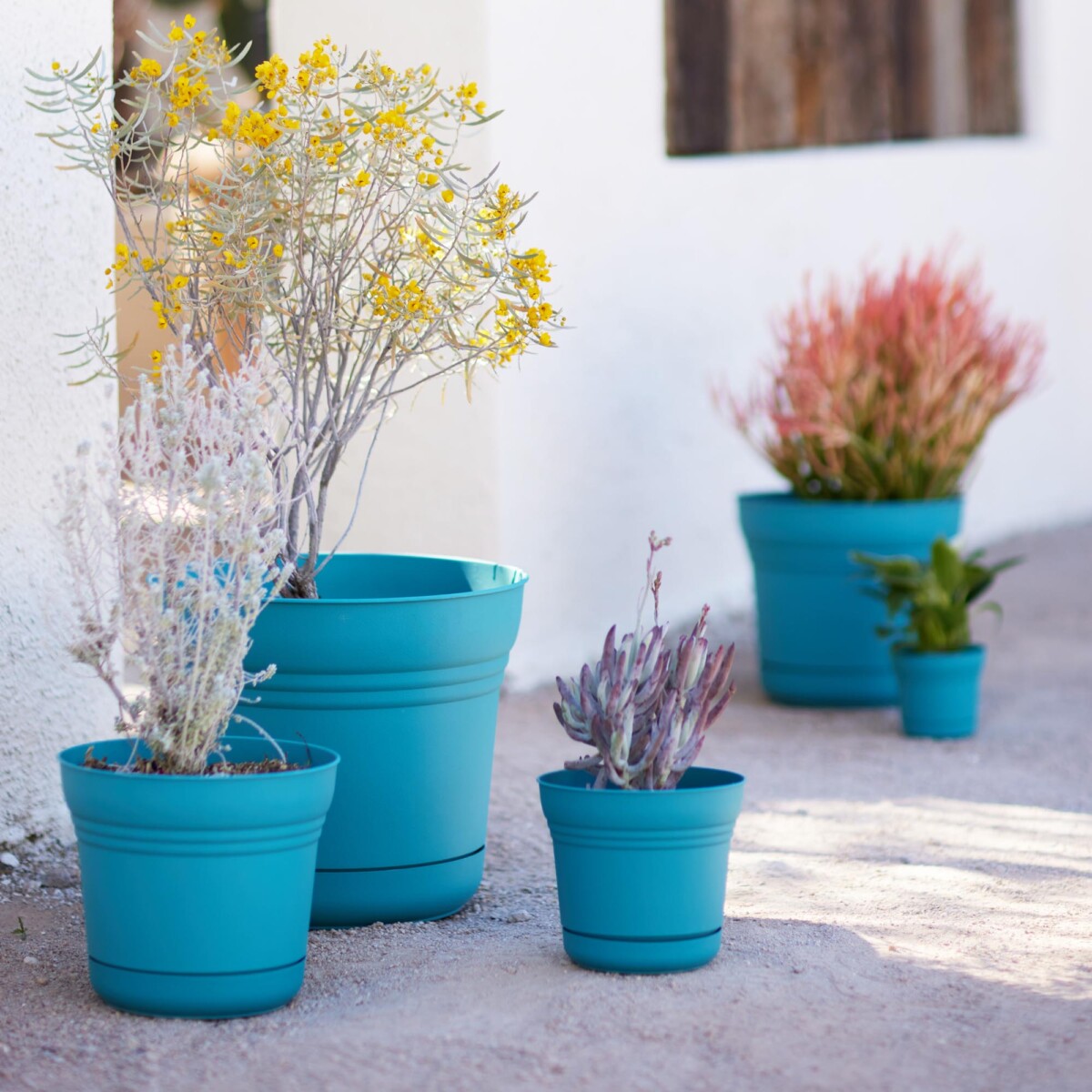
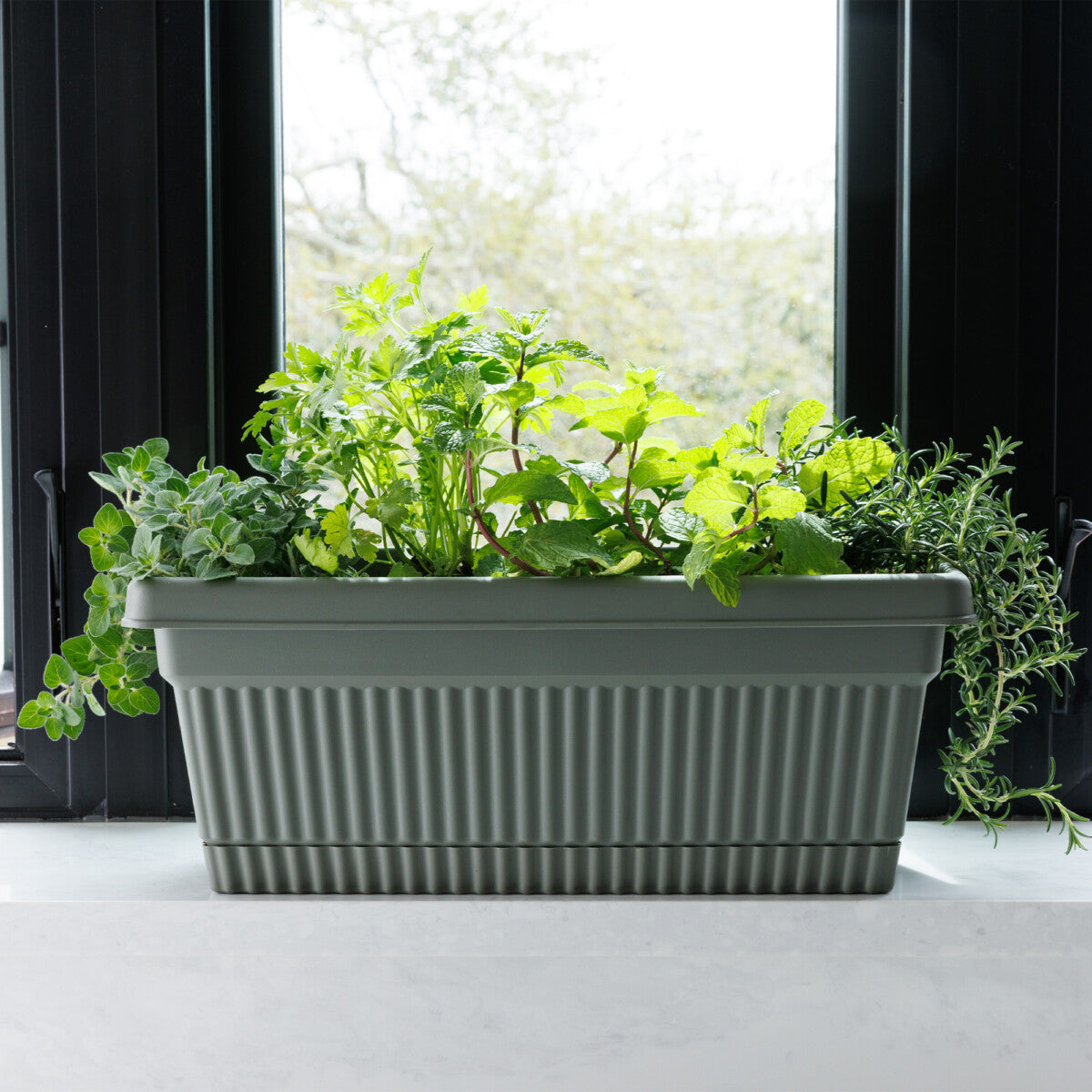
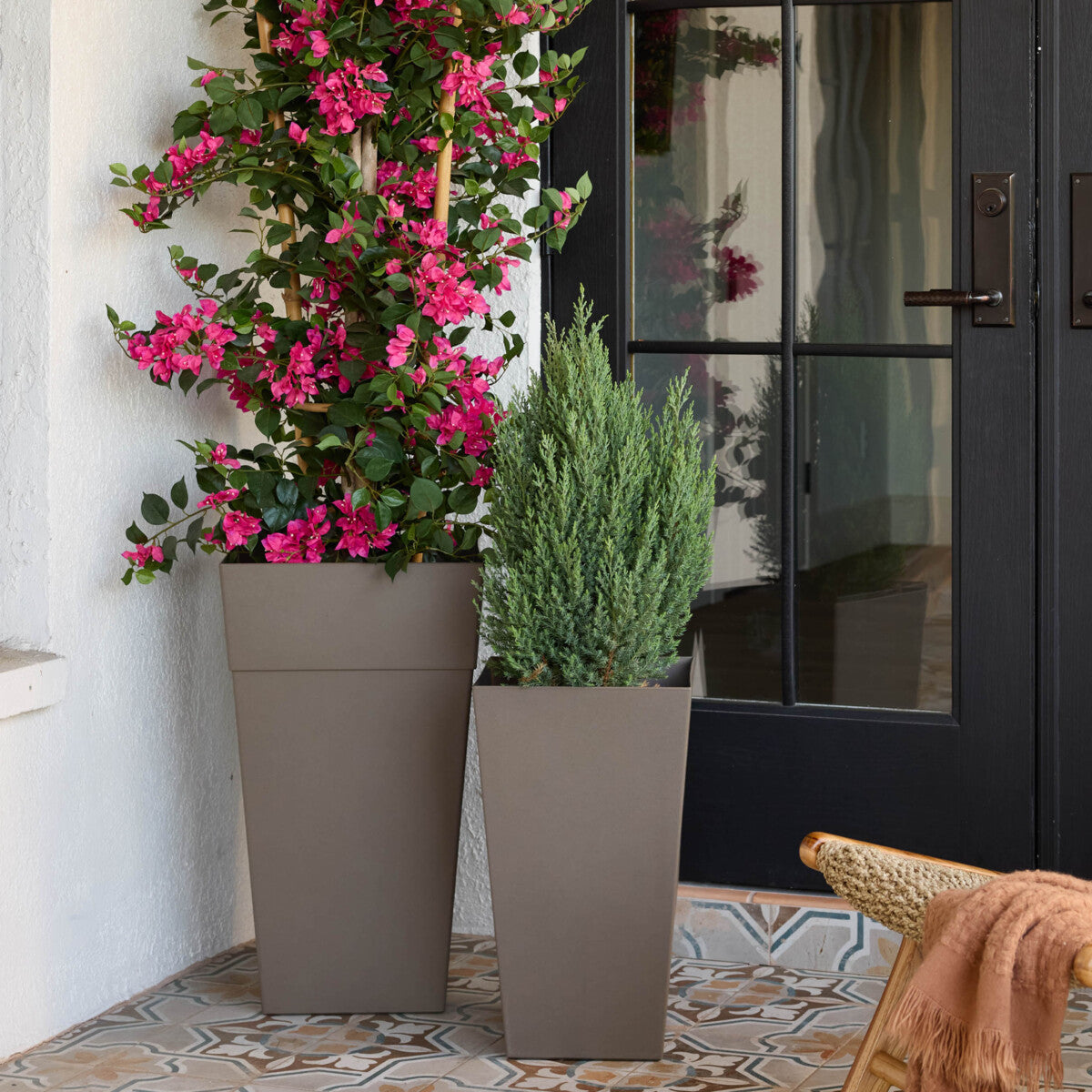
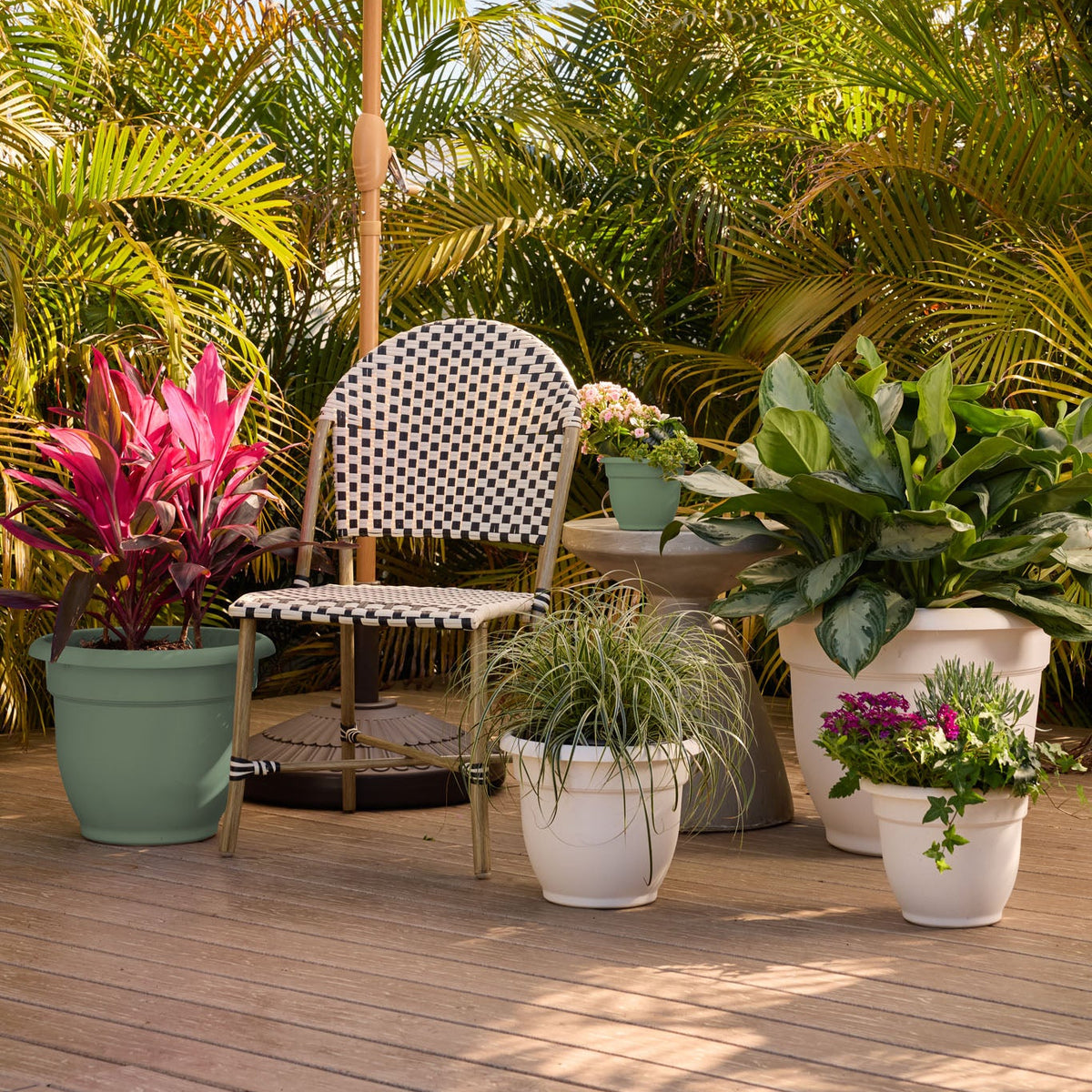
Bloem’s durable resin planters excel at withstanding year-round extremes. Unlike ceramic, terracotta, or wood containers that crack, rot, or degrade, resin containers maintain structural integrity through freeze-thaw cycles, intense summer heat, and constant moisture exposure. This durability means your beautiful containers remain viable investments season after season.
Self-watering resin planters are particularly valuable for year-round gardening. The built-in water reservoirs maintain consistent soil moisture regardless of seasonal changes. Spring’s unpredictable weather, summer’s intense heat, and fall’s temperature swings all present watering challenges that self-watering technology elegantly solves.
Bloem’s range accommodates every seasonal style. From the fresh, light tones perfect for spring plantings to deeper hues that showcase fall’s rich colors, coordinating containers through seasonal transitions creates cohesion while honoring seasonal aesthetics.
Conclusion
A seasonal planting calendar transforms container gardening from chaotic improvisation into deliberate, successful practice. By aligning plantings with optimal growing seasons, maintaining containers through dormancy periods, and refreshing plantings at nature’s transitions, you’ll achieve continuously beautiful displays.
The rhythm of seasonal gardening connects you to natural cycles, building skills and intuition throughout the year. Each season offers distinct opportunities—spring’s cool-season abundance, summer’s heat-loving vigor, fall’s sophisticated colors, and winter’s structured beauty. Embrace each season’s unique gifts, and your container garden will flourish through every month of the year.
Bloem’s durable, attractive planters support this year-round practice beautifully, providing reliable containers that perform excellently through every season and every climate challenge. Start this calendar guide today, and your container garden will deliver continuous beauty, satisfaction, and gardening success throughout the year.